
“…parasite control was less obviously connected to family planning yet it was integral to Japan’s international cooperation efforts in the field.”
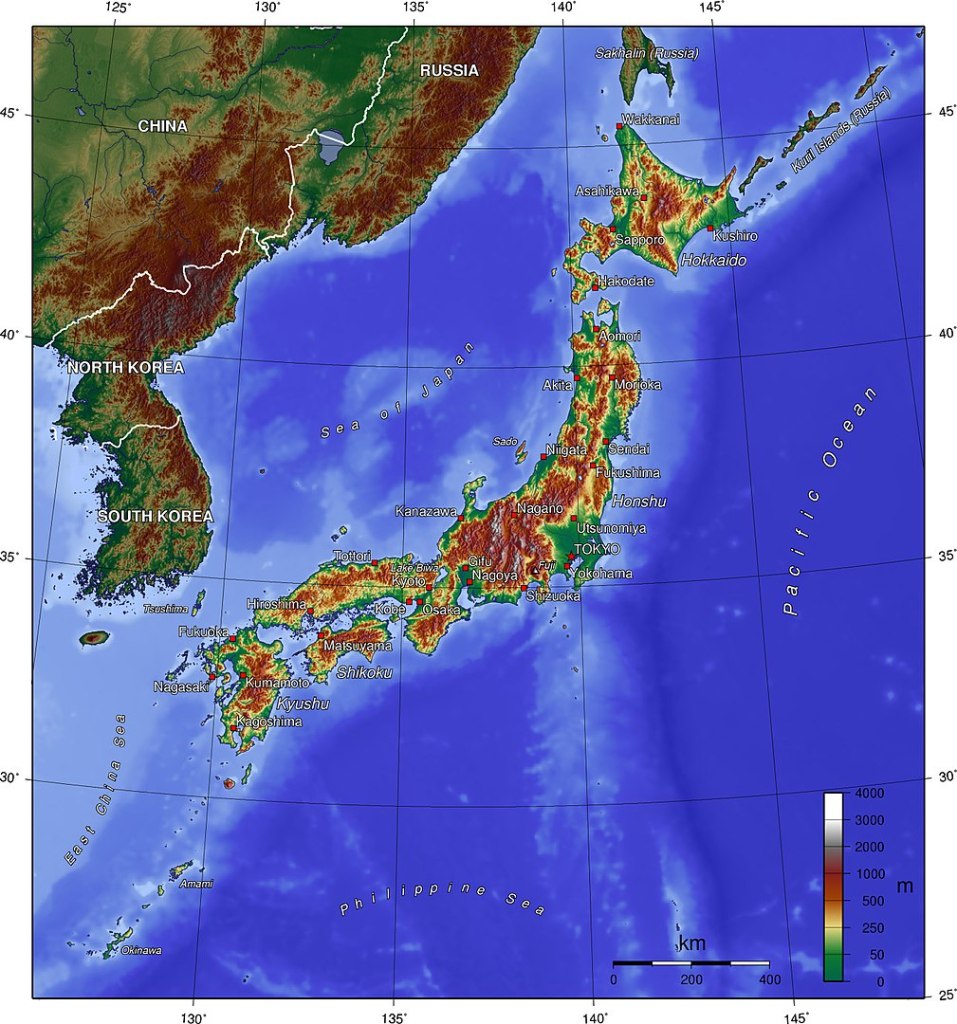
In the early 1980s, China and Japan began cooperating in family planning through both governmental and nongovernmental channels. This was during China’s so-called ‘one-child policy’, so the cooperation seemed logical. However, the actual implementation had little to do with family planning. The governmental cooperation centred on media technology, while the ‘Integration Project’, organized by NGOs for family planning purposes, was as much about parasite control as it was about birth control.
Film and Family
At first glance, neither media technology nor parasite control seem directly related to family planning. However, from the very start of ‘family planning’ as a development aid project, media played a central role.1 In the 1980s, using films for educational purposes had long been an established practice in family planning programs. Japan, during this period, was a global leader in media technology—hardly anyone in the world was unfamiliar with the names of SONY or Fuji Film. Against this backdrop, China sought access to Japan’s media technology for its own family planning program.
The Parasitology Project
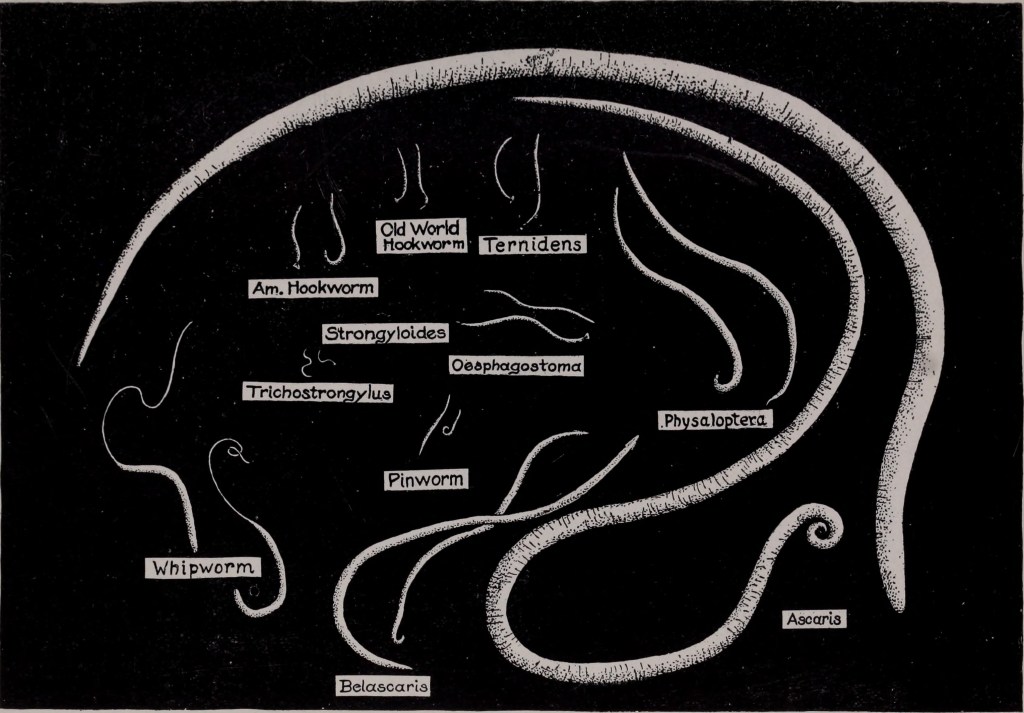
Compared to media technology, parasite control was less obviously connected to family planning yet it was integral to Japan’s international cooperation efforts in the field. This was largely due to Kunii Chōjirō, a former literature student turned health activist in the mid-twentieth century. In the 1970s, he combined his previous campaigns to eradicate intestinal parasites with efforts to promote birth control, creating a public health initiative called the Integration Project. Kunii believed that parasite control, which could be deployed cheaply and with immediate results, would show people the benefits of public health, making it easier to broach the sensitive subject of family planning. He also argued that the rapport health workers established with people through parasite control could be leveraged to introduce family planning. Throughout the 1980s and beyond, he promoted this initiative in collaboration with parasitologists and birth control specialists through the regional Asian Parasite Control Organization. In the early 1980s, Kunii’s Japanese Organization for International Cooperation in Family Planning signed an agreement with the China Family Planning Association and the International Planned Parenthood Federation to expand the Integration Project across China. Under this project, parasite control screenings were conducted alongside family planning education in both Japan and China
So, what does this episode tell us about media and epidemics?
First, if we view international cooperation and development aid as forms of international politics, we can see that media technology, deployed in the name of family planning, acted as a diplomatic tool to foster bilateral relations. Second, it is significant that the infection control measures used in this cooperation focused on a relatively benign condition: intestinal parasites. However, if, in the 1980s Japan-China context, it had come to controlling epidemics on a larger and more widespread scale, these infection control measures would not have been suitable for an initiative aimed at smoothing diplomatic relations as it would have instead required much greater resources, organizations, and political will.
Dr Aya Homei
Dr Aya Homei is Reader in Japanese Studies at the University of Manchester. Dr Homei is primarily a historian of medicine and sciences in modern Japan specialising in reproduction and population, but has grown interests in the inter-Asian health and medical exchange, especially focusing on the relationship between China and Japan. Dr Homei’s latest book, Science for Governing Japan’s Population (Cambridge University Press, 2023 – open access), describes how various medical and social scientific fields and practices developed in Japan c. 1860s-1960s around the idea of “population” (jinkō), and through the process to make national policies.
- Manon Parry, Broadcasting Birth Control: Mass Media and Family Planning (Rutgers University Press, 2013) ↩︎
 Media and Epidemics (MEDEP)